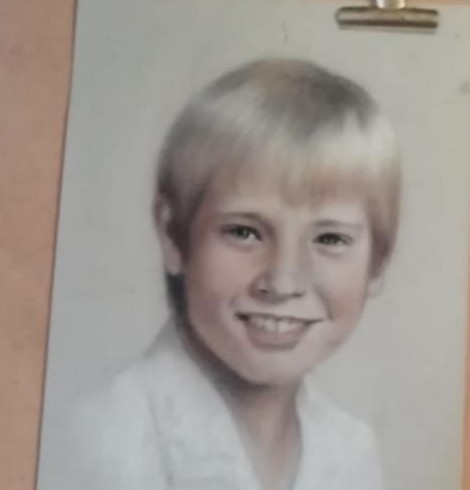
People portraits
A person, drawn from photographs. A face that is kept.
Commissions
People, pets, wildlife, and the days worth keeping. Always from photographs, and always the old way. Choose what you want. It waits on your list, then goes to Rose on WhatsApp.
A person, drawn from photographs. A face that is kept.
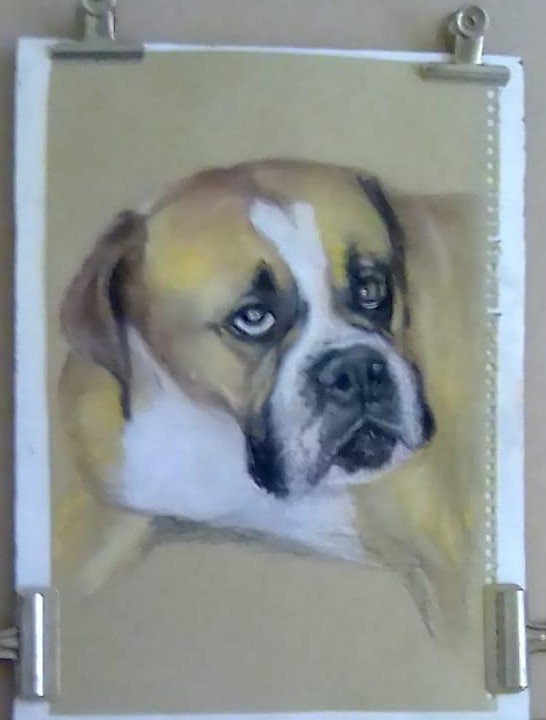
A dog, a cat, the animal who lives with you.
A bird, a buck, a creature met outdoors.
A wedding, a birthday, a day that should be kept.
A few clear pictures, well lit. She will say which one holds the person — or the animal.
The pose is shown small, and agreed, before the finished work begins.
Drawn, fixed and signed. Something that can hang on a wall for a long time.
About
Rose hasn’t been taught or tutored to draw, it came naturally to copy a likeness to just about anything, from an early age. The only art tutoring was at high school, where fortunately, one of the subjects to choose from, was art, at the PJ Olivier Art Centre in Stellenbosch where she matriculated with art as her best subject.
Then the opportunity arose to become an apprentice goldsmith, which became her career, during which time she also did many portrait commissions. Now, retired, she spends her days with her partner, Chris, her sister, Zee, and her cats Charky & Scratchy in Langkloof, capturing as much as she can with her artwork.
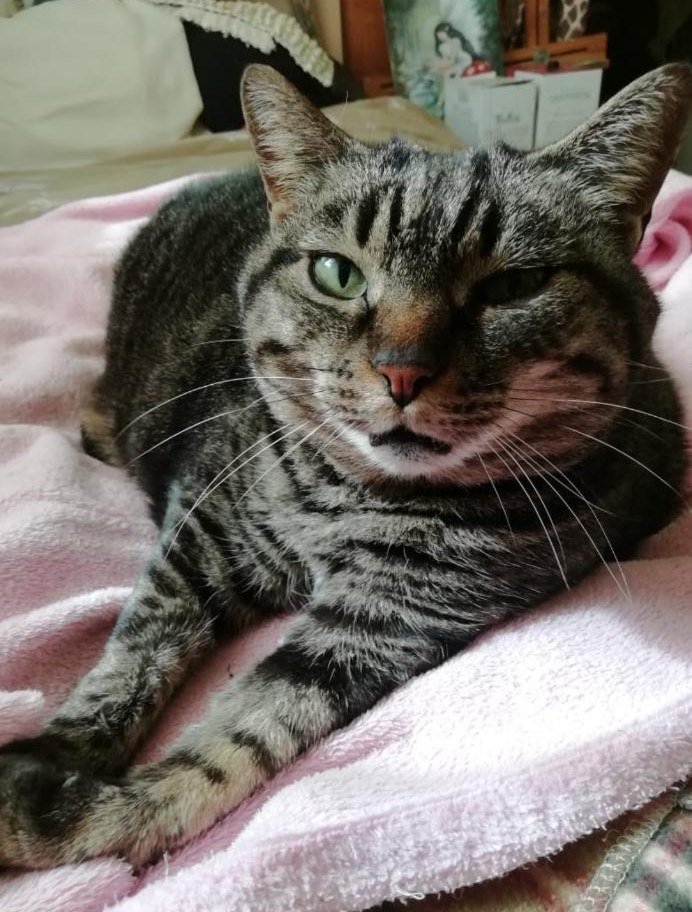
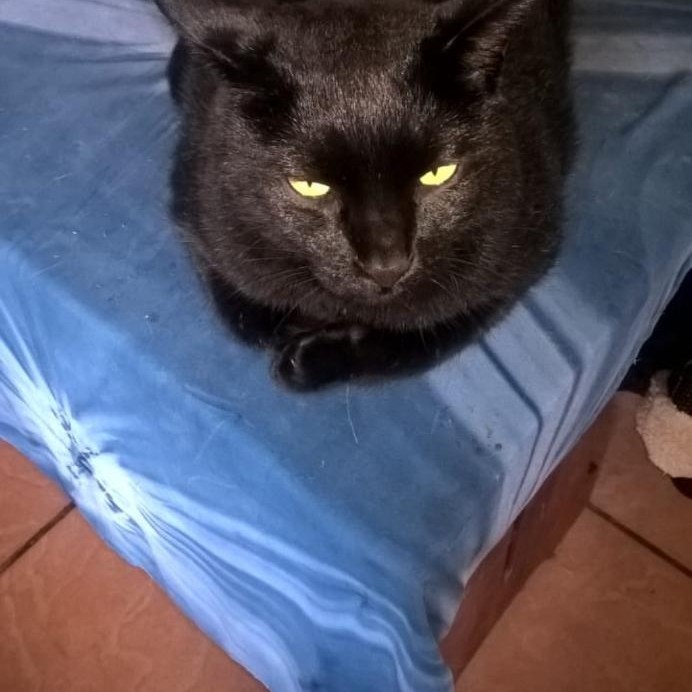
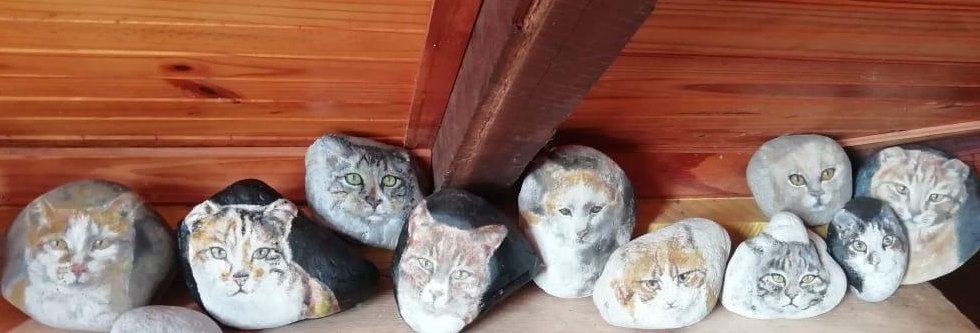
Scratchy and Charky
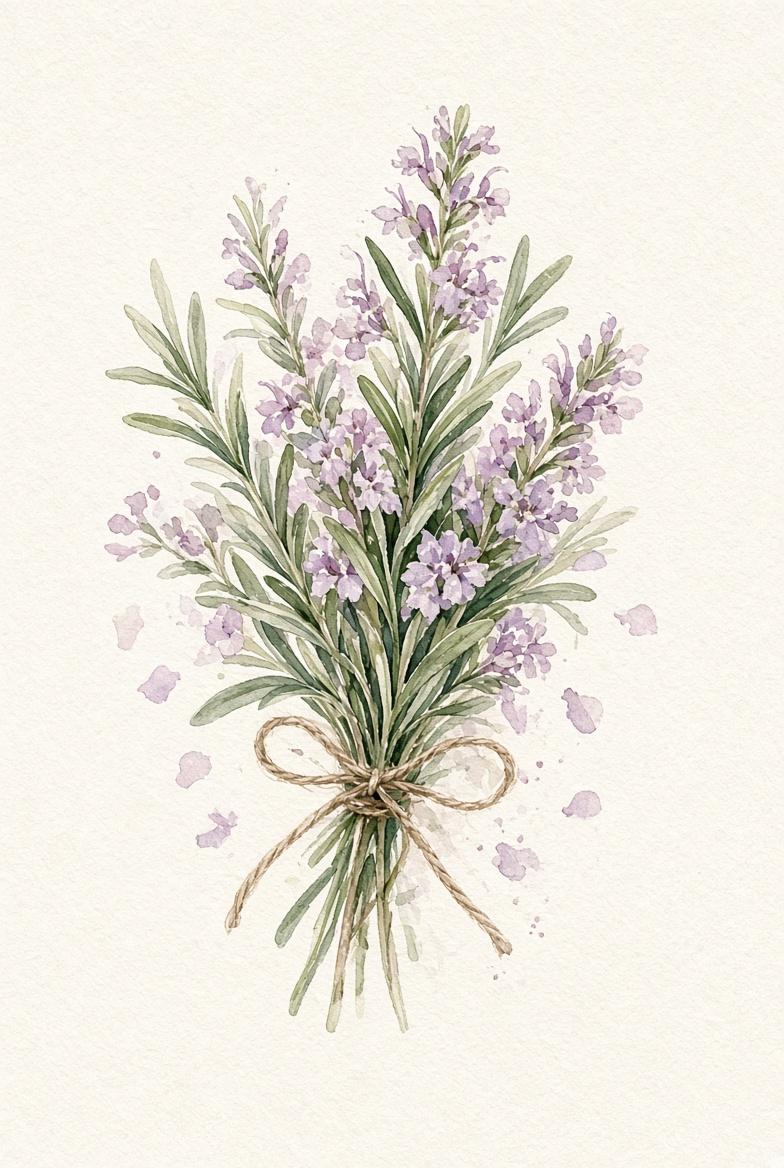
Original portraits
Rose was not taught to draw. A likeness came naturally, from an early age. The only art tutoring was at high school, at the PJ Olivier Art Centre in Stellenbosch, where art was her best subject.
She then apprenticed as a goldsmith, and that became the career. Through those years she also took portrait commissions.
Portraiture
A portrait is a likeness, and it is also a life, looked at. It is meant to be a visual biography: a person, and a moment, set down so that it says something about who they are and how they were seen.
A camera can take that person in a second. A phone can take them in the bathroom. Nothing has to count, so the picture rarely does. For a long time a portrait asked for a sitting. Someone had to look, and the looking had to be enough.
That is the difference. A lens captures the living. A drawing interprets them. One living person regards another, and chooses what to keep. There is more depth in that, even when the drawing begins from a photograph, as Rose’s do. The photograph is the sitting. The portrait is what she understood.